It’s not fair

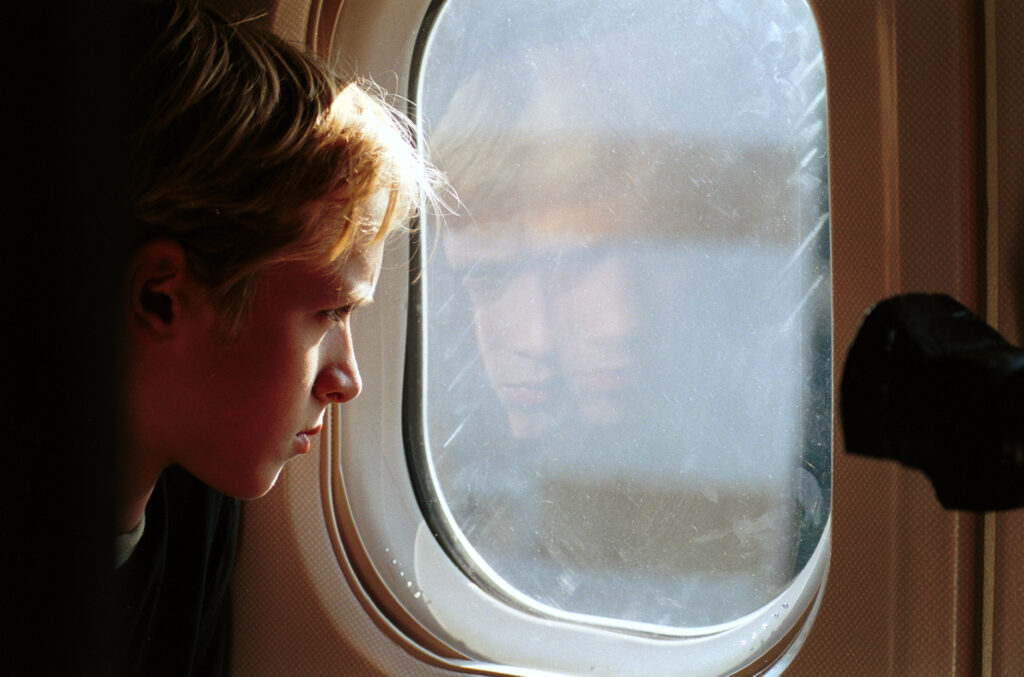
The adult world seen through the eyes of two eleven-year-olds.

Sofia and Valerio, aged 11 and 12, meet by chance in a semi-deserted Naples suffocating because of the summer heat. Both have been entrusted to the care of their fathers, a pair of forty-year-olds afflicted with every sort of sentimental and existential problems, while their mothers are far off, present only in brief telephonic incursions.  The two kids feel continually threatened by the instability and confusion of their families.  “It’s not fair…” they say as they join forces to face the adult world together with detachment and irony, so as to be no longer afraid of it.
 

O sole mio

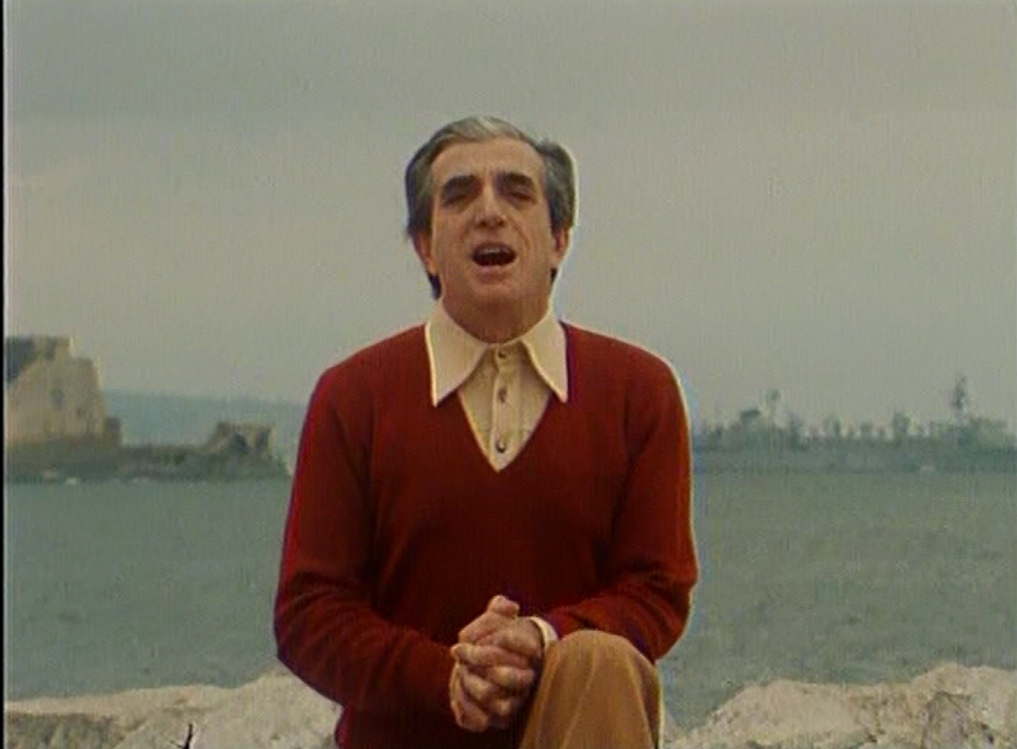
The history and success of the song ‘O sole mio, a world famous classic.

A tale that peers behind the clichés of Naples, too often defined only as “sole-pizza-amore” (sun-pizza-love). Through the history of the song ‘O sole mio, from its birth in 1898 to its consecration, the film narrates the two faces of Naples: on the one hand the paradisiacal, luminous postcard-city, on the other hand, the dark mysterious Naples of the vicoli (the alleys). A kaleidoscope consisting of evidence ranging from the era of silent movies to our days, with the celebrated interpretations of Mario Del Monaco, Elvis Presley, Luciano Pavarotti, Sergio Bruni, and occasional performers such as Paul McCartney and the Spice Girls.

The remains of nothing

It is as if De Lillo and De Medeiros were confronting and chasing after each other until they became a sole person in the throes of a marvelous utopia.
Bernardo Bertolucci

Portuguese noblewoman Eleonora Pimentel Fonseca,  the voice of the 1799 Neapolitan Revolution, together with other young Neapolitan aristocrats, battles for the ideals of equality, liberty and fraternity. All too soon, the blade of the Restoration falls on the founders of the short-lived Republic: their dream, which had briefly become reality, is shattered into thousands of pieces. The remains of nothing…”il resto è niente.”
The film chooses to recount the human and political events of Naples at the end of the 18th century by illustrating the precious hours preceding Eleonora’s death. The camera is set at the center of her soul, to record the suffering, hopes and passions of her entire life. Thus, the portrait of a courageous woman, modern and free, is created through the threads of memory.

Dr. Lucio Fulci’s day-for-night

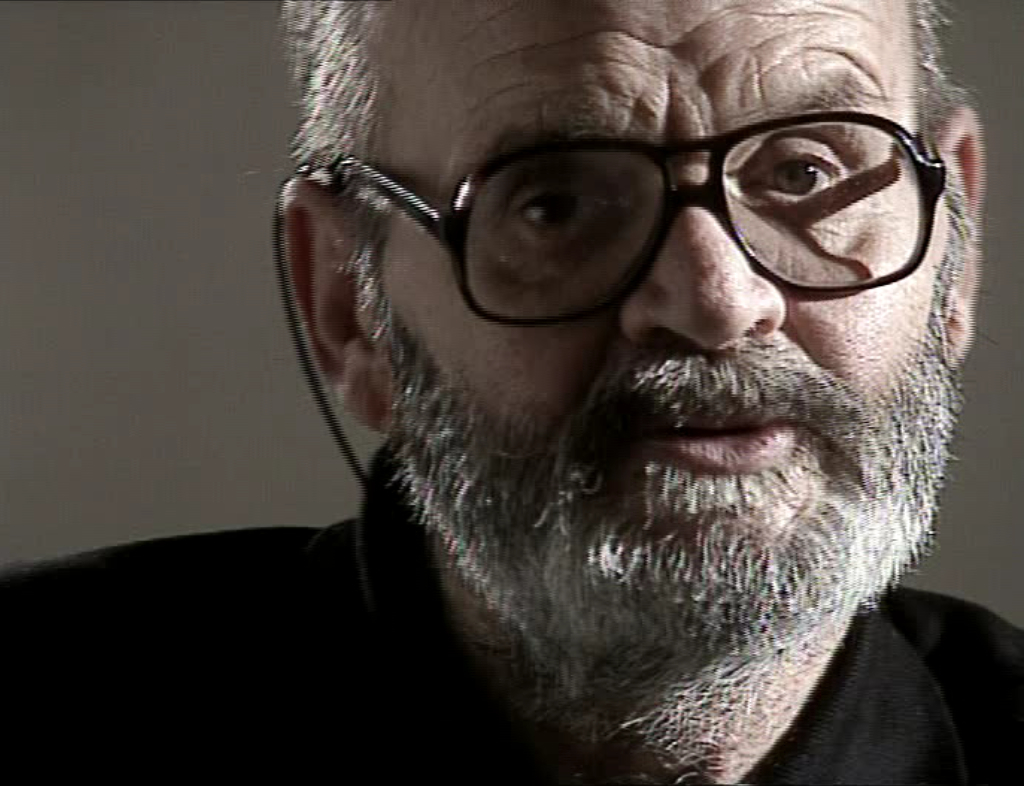
A classic horror film? But it was I who made the classics!” interview with Lucio Fulci, master of this film genre.

A document/legacy of the great Lucio Fulci, master of the B-movie, whose work has inspired world famous directors such as Quentin Tarantino. Lucio Fulci treats us to a lengthy consideration on his way of doing cinema and his eccentric career, which is fascinating for its sincerity, irony and clearness of mind.

Angelo Novi, movie stills photographer

A journey into the memoir of our cinema through the words and images of Angelo Novi.

The film is a journey into the memoir of our cinema, from the years after the Second World War to the end of the twentieth century. The photographs Angelo Novi took on the sets of Pasolini, Rossellini, Leone and Bertolucci are commented by the original sound tracks of the films and by the same photographer who describes the precise moment he snapped them. We get to know one of the most important witnesses of Italian cinema through his tales that are full of anecdotes and emotion.