Dr. Lucio Fulci’s day-for-night

A classic horror film? But it was I who made the classics!” interview with Lucio Fulci, master of this film genre.

A document/legacy of the great Lucio Fulci, master of the B-movie, whose work has inspired world famous directors such as Quentin Tarantino. Lucio Fulci treats us to a lengthy consideration on his way of doing cinema and his eccentric career, which is fascinating for its sincerity, irony and clearness of mind.

Angelo Novi, movie stills photographer

A journey into the memoir of our cinema through the words and images of Angelo Novi.

The film is a journey into the memoir of our cinema, from the years after the Second World War to the end of the twentieth century. The photographs Angelo Novi took on the sets of Pasolini, Rossellini, Leone and Bertolucci are commented by the original sound tracks of the films and by the same photographer who describes the precise moment he snapped them. We get to know one of the most important witnesses of Italian cinema through his tales that are full of anecdotes and emotion.

the social xmas

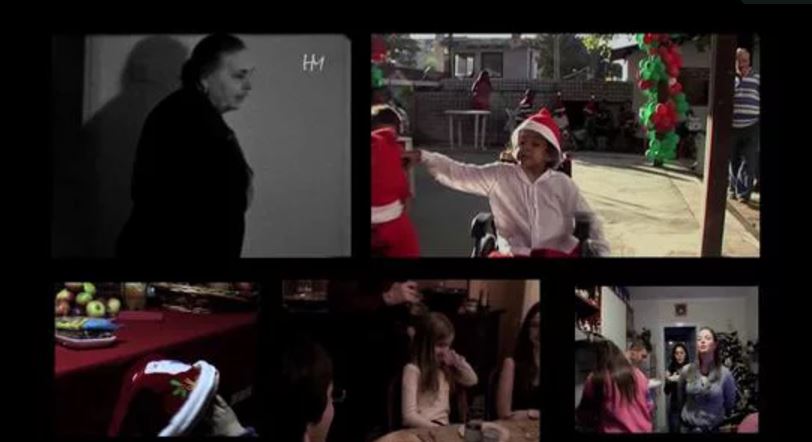
Il Pranzo di Natale, sperimentando la commistione di linguaggi diversi, riunisce immagini amatoriali e video realizzati da professionisti; è un remix di sorgenti molteplici ed eterogenee che insieme formano un racconto unitario, grazie a un montaggio che procede seguendo una linea di associazioni che di volta in volta cambiano, privilegiando in alcuni casi legami musicali, in altri cronologici,spesso emotivi. Le immagini così si susseguono, con una tessitura aperta tra il racconto lineare di un rito collettivo e l’associazione di storie e frammenti che interagiscono o si contrappongono tra loro, mostrando immagini attuali accostate a immagini del passato, vecchi filmini di famiglia affiancati ai video dei Natali presenti.

L’attrice Piera degli Esposti, in un ruolo deliberatamente in bilico tra persona e personaggio, evidenzia i momenti peculiari del racconto e ne scandisce il tempo. I “Natali” narrati sono vari: c’è quello ingenuo e felice di un bambino che aspetta i regali da Babbo Natale, quello rassegnato e “nero “ di chi ormai ha perso tutto, quello festeggiato in solitudine e quello in comunità…I treni sono affollati di persone e desideri che raggiungono i propri cari per l’irrinunciabile pranzo di Natale. Le immagini, apparentemente frammentate, diventano lo specchio integro di una società in crisi, dal quale emerge però l’immagine di un’umanità onesta che, con orgoglio, manifesta la forza e la volontà di reagire.

The remains of nothing

It is as if De Lillo and De Medeiros were confronting and chasing after each other until they became a sole person in the throes of a marvelous utopia.
Bernardo Bertolucci

Portuguese noblewoman Eleonora Pimentel Fonseca,  the voice of the 1799 Neapolitan Revolution, together with other young Neapolitan aristocrats, battles for the ideals of equality, liberty and fraternity. All too soon, the blade of the Restoration falls on the founders of the short-lived Republic: their dream, which had briefly become reality, is shattered into thousands of pieces. The remains of nothing…”il resto è niente.”
The film chooses to recount the human and political events of Naples at the end of the 18th century by illustrating the precious hours preceding Eleonora’s death. The camera is set at the center of her soul, to record the suffering, hopes and passions of her entire life. Thus, the portrait of a courageous woman, modern and free, is created through the threads of memory.