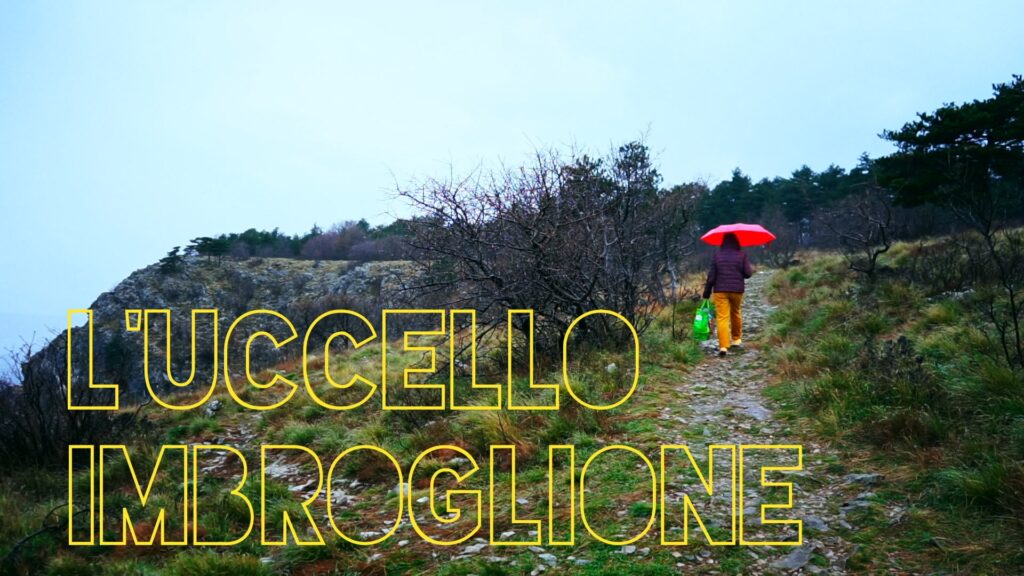
L’UCCELLO IMBROGLIONE

L’Uccello Imbroglione di Davide Salucci è un mockumentary che sfuma i confini tra realtà e finzione, guidando lo spettatore in una storia essenziale ma toccante, incentrata sul legame tra una giovane e la sua anziana nonna. Il rapporto tra le due, mediato dalla presenza di un uccello introvabile, mantiene vivo un legame di memoria con una persona che non c’è più, riuscendo a emozionare con il suo delicato equilibrio tra magia e realismo.

Ideato nel corso del workshop FARE UN FILM nell’ambito del Film Partecipato L’UOMO E LA BESTIA

Continue reading

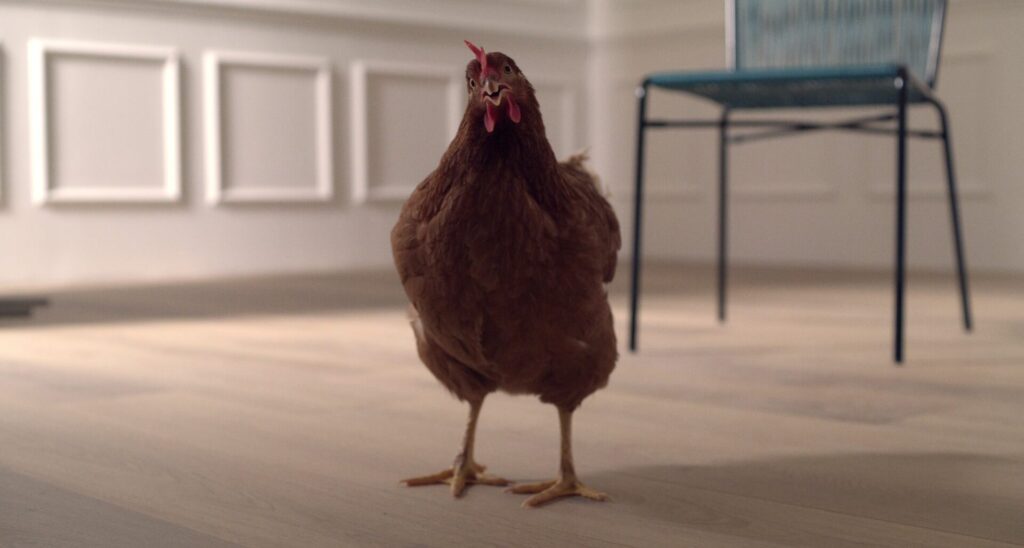
The Eye of the Hen

The Eye of the Hen is the cinematic self-portrait of director Antonietta De Lillo, relegated to the margins of the film industry after a legal dispute over the distribution of her most successful film, which could have established her in the mainstream. The story of the protagonist’s public and private life, through interviews, reconstructions, and personal, cinematographic, and television archives, shows the difficulties of going against the tide and the creativity and resilience needed to reinvent oneself with the means at one’s disposal. The film is a narrative that suggests methods to overcome isolation isolation by celebrating cinema in its communal, cultural, and political role.

Mr. Rotpeter

I wasn’t looking for freedom. Only a way out. Franz Kafka

Synopsis
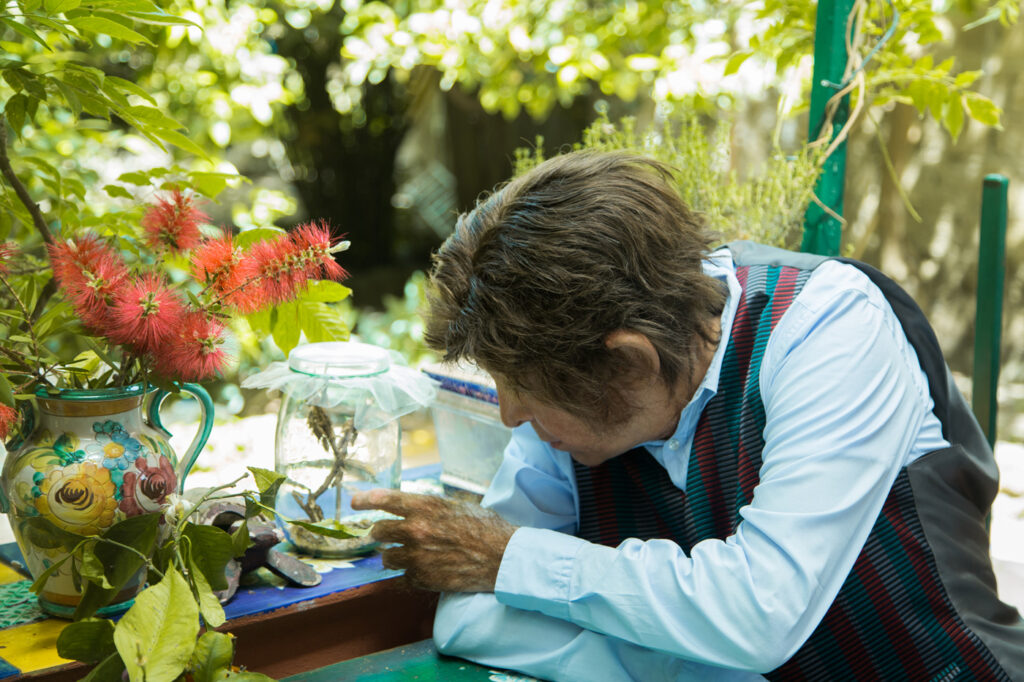
In 1917, a short novel by Franz Kafka appeared on a magazine. It is called A Report to an Academy, the story of Mr Rotpeter, a monkey who transformed into a man. During his academical report, Mr Rotpeter talks about his metamorphosys. Mr Rotpeter’s imaginary portrait by Antonietta De Lillo runs two levels: the fragments of the kafkian lesson, as his past, and the interview, as his present. Antonietta De Lillo creates a cinematographic character that brings in universal topics such as freedom and survival, drawing a contemporary portrait of our society. Through her peculiar narration, Antonietta De Lillo imagines a “neapoletan” Mr Rotpeter: he walks through the streets of Naples, in Molosiglio’s gardens, he climbs the stairs of the prestigious University of Naples Federico II, he observes families playing on the grass on a sunday morning in Capodimonte’s wood. At the end he gives to an imaginary journalist a long interview. Though Mr Rotpeter is a fantastic character, between a beast and a man, the power of cinema is to create the illusion of reality. Mr Rotpeter could be an ordinary person one could meet on the street by chance. Mr Rotpeter’s reflections on our times put the spectators in front of a mirror and allow them to reflect themselves with him and his metamorphosys.

Director’s statement
Everyhting started when Marcello Garofalo invited me to watch a theatre performance of the kafkian A Report to an Academy, created and played by Marina Confalone, one of the greatest italian actresses. So I went to see her show in the famous Federico II University of Naples. I started to imagine a contemporary Rotpeter, set in a nowaday Naples, and I wanted to let him free from the written paper and make him alive through a long interview. With all the peculiarities of a fiction film I made my first portrait to an imaginary character born from a writer’s pen. What fascinated me about Mr Rotpeter was his desperate search for a way out. That was my starting point. Together with Marcello Garofalo I started to imagine an integrated Rotpeter, whose achievemet of a way out led him to a survival, not to freedom. Rotpeter is a creature between a beast and a man, he talks about our human condition through his personal experience. Rotpeter is forced to observe and imitate a world that imprison him, in order to adapt and survive. As well as him, we human beings are often forced to adapt to a society that is more and more subdued to economical powers, causing our loss of freedom and humanity. The “neapoletan” Mr Rotpeter fights his own personal cause for survival but, at the end of a long imaginary conversation, he has the need to fight for others too. I believe that we should listen to Mr Rotpeter’s desire, if we want to emancipate ourself from a condition that degenerates our nature. Antonietta De Lillo

UPCOMING  streaming

METAMORFOSI NAPOLETANE

Edito da CecchiGori Enterteinment, esce in DVD Metamorfosi Napoletane. Metamorfosi Napoletane è l’unione del primo ritratto realizzato da Antonietta De Lillo nel 1993, Promessi Sposi, e del suo ritratto più recente, Il Signor Rotpeter, presentato alla 74° Mostra Internazionale d’Arte Cinematografica di Venezia. Due conversazioni profondamente diverse, una con personaggi realmente esistenti e una con un personaggio inventato, ma unite dalla necessità dei loro protagonisti di effettuare una trasformazione radicale su se stessi, una metamorfosi.

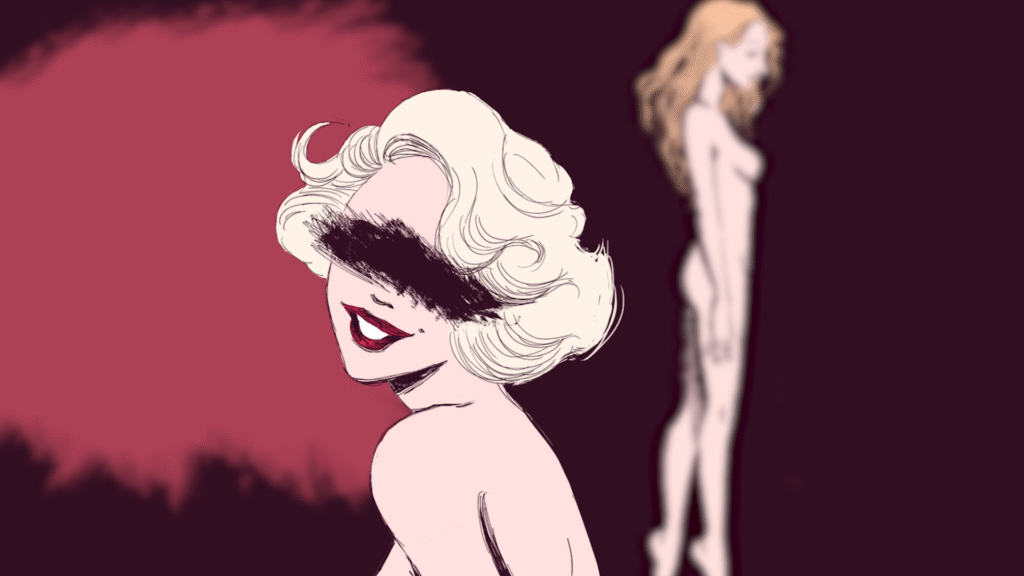
GOODBYE MARILYN

Marilyn Monroe nell’estate del ’62 non ci ha lasciati, ma ha deciso di sparire dalle scene, vivendo per cinquant’anni lontana dal suo pubblico. Fino al giorno in cui una lettera la convince a rilasciare un’ultima intervista… 

Sinossi
In occasione del suo novantesimo compleanno, Marilyn Monroe riceve la lettera di un giornalista che vorrebbe intervistarla. La grande diva di Hollywood non si concede al pubblico da cinquant’ anni, da quando, senza alcuna spiegazione, ha deciso di ritirarsi per sempre dalle scene.
Sorprendentemente Marilyn decide di rompere il silenzio e di concedere l’intervista.
Il giornalista cercherà di decifrare il mistero di una donna che, all’apice del successo, rinunciò alla fama in nome della propria libertà, diventando un mito. 

Soggetto
Marilyn Monroe nell’agosto del 1962 non ci ha lasciati, ma ha deciso di ritirarsi per sempre dalle scene. Da allora ha trascorso i suoi giorni lontana dal mondo del cinema e dello spettacolo, contribuendo ad accrescere ancora di più l’aura di mistero intorno al suo intramontabile mito. In occasione del suo novantesimo compleanno, un giornalista scrive a Marilyn una lettera affettuosa e piena d’ammirazione, senza però nascondere il desiderio di volerla intervistare. Marilyn, inaspettatamente, accetta la proposta. L’amichevole conversazione tra la diva e il giornalista cercherà di indagare le ragioni che hanno spinto Marilyn ad allontanarsi per sempre dall’universo che l’aveva trasformata in una stella del firmamento cinematografico. Il passato riemerge attraverso le parole di Marilyn, che senza rimpianti racconta se stessa e la sua fuga dalle impietose regole di Hollywood, dove “ti pagano mille dollari per un bacio, e cinquanta centesimi per la tua anima”…
Forse il giornalista non riuscirà a scoprire davvero il segreto di quella diva che in quell’estate lontana, all’apice del successo, aveva rinunciato alla fama in nome della propria libertà. Ma per la prima volta vedrà coi suoi occhi la donna che, con tutto il fascino delle sue fragilità, aveva dato corpo e voce al mito chiamato Marilyn.

Note di regia
Leggere “Goodbye Marilyn” ha rappresentato per me un’autentica folgorazione. La Marilyn diva e icona del cinema e dello star system parlava finalmente con una voce diversa, capace di raccontarmi una storia tanto affascinante quanto impossibile. Sopravvissuta alla crisi che aveva rischiato di condurla prematuramente alla morte, una Marilyn anziana, matura e consapevole di sé e della propria vita decide di tornare a raccontarsi in una veste inedita. Il passato, tra vicende note e meno note, viene rievocato con nostalgia e tenerezza, ma anche con quello sguardo disincantato di chi conosce fin troppo bene le luci e le ombre del grande mondo dello spettacolo. Il romanzo a fumetti scritto da Francesco Barilli e disegnato da Roberta Sacchi era il punto di partenza perfetto per un cortometraggio animato. I disegni, grazie all’animazione, alla colonna sonora e soprattutto alla voce di attori in carne ed ossa, avrebbero riportato Marilyn nella dimensione in cui tutti l’abbiamo conosciuta e amata, quella del cinema. La Marilyn che si è ritirata dalle scene da cinquant’anni non è un’asceta, né tantomeno una moralista che ha rinnegato tutto ciò che l’ha resa famosa. Questa Marilyn ha scelto consapevolmente di sottrarsi alle regole dello show-biz, di governare il proprio tempo con la libertà a cui aveva rinunciato per diventare una diva. Perché una diva non appartiene veramente a se stessa. Appartiene alla pellicola che la immortala sul grande schermo, e, forse ancora di più, al suo pubblico. E Norma Jeane, la donna che noi conosciamo col nome di Marilyn Monroe, ha deciso di riprendersi il suo spazio, aggiungendo solo altro fascino a un’icona già immortale.
Ho voluto chiudere il cortometraggio con la frase con cui Marilyn concluse la sua ultima intervista, solo pochi giorni prima di morire: una richiesta, quasi una supplica,  che ne rivela tutta la sua umana fragilità.
Maria Di Razza

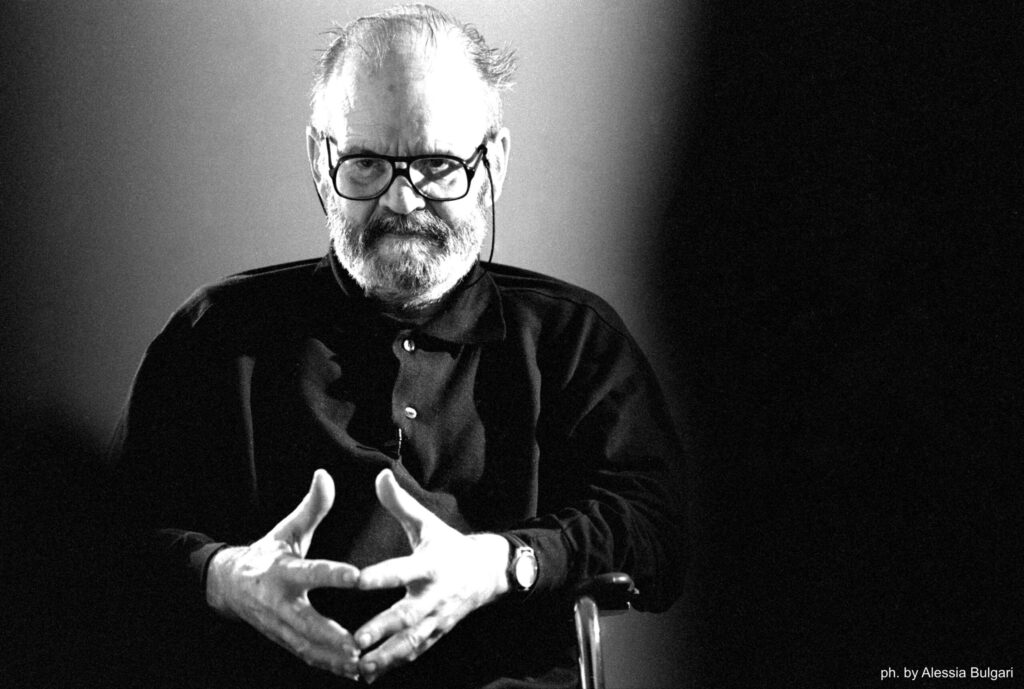
FULCI TALKS

Chi sono gli zombi? Gli uomini di potere. Lucio Fulci

Sinossi

FULCI TALKS conversazione uncut con Lucio Fulci è una cavalcata attraverso tutto il cinema del maestro “terrorista del genere”, dalla commedia al thriller, dagli spaghetti western all’horror, e un viaggio nel cinema italiano e internazionale che ha conosciuto, amato e a volte anche criticato senza peli sulla lingua.

Antonietta De Lillo, a 30 anni di distanza dalla lunga intervista a Lucio Fulci curata insieme al critico Marcello Garofalo, riporta alla luce questo materiale raro e prezioso e realizza il ritratto inedito di un grande e raffinato artigiano del cinema nel momento in cui vede finalmente la critica riconoscere alle sue pellicole lo status di film cult, che diventeranno punti di riferimento per un’intera generazione di registi e spettatori.

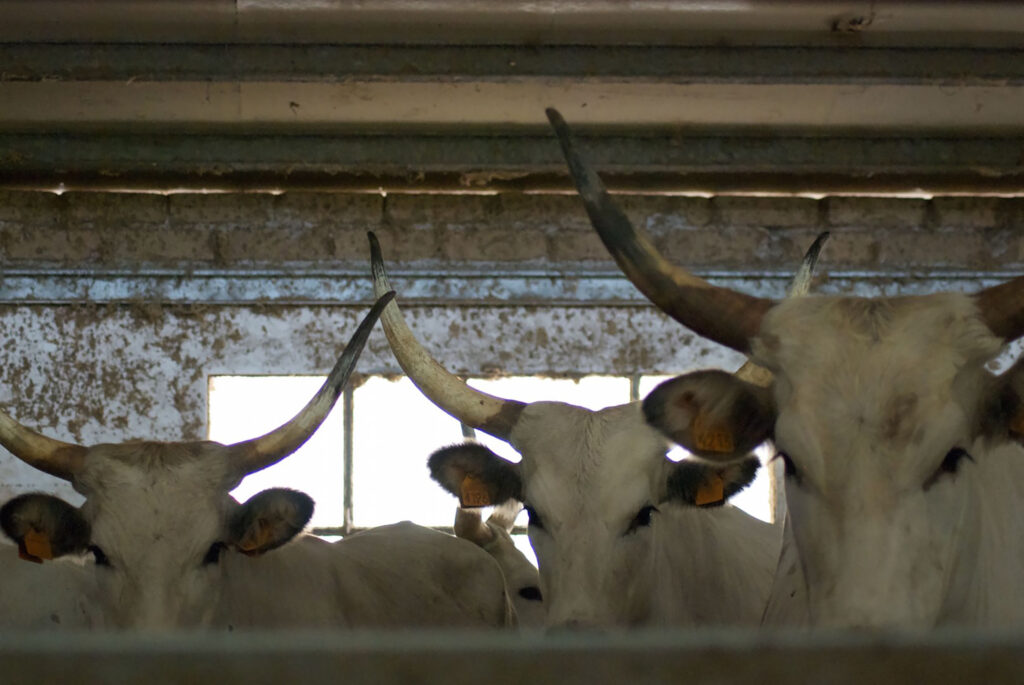
LA MANZA

Da piccolo cercavo di corrompere vacche col mio ciuccio tolto dalla bocca.
Giancarlo Pretotto

Sinossi

Il film parla di contraddizioni profonde, dell’attrazione per ciò che è oscuro. L’uomo che incarna tutto questo è uno zoonomo, un tecnico che segue allevamenti intensivi affinché producano il massimo, un gigante che entra in simbiosi con gli animali che accudisce: la testa sempre reclinata un po’ di lato, gli occhi che ruotano verso l’alto per rincorrere le immagini che narra, concrete e impastate di rumori e odori come le stalle che frequenta. Gli animali e la grande distribuzione sono la sua vita, che racconta come se non esistesse altro: la manza, la mucca chianina, la maremmana, la ricerca genetica delle sue forme, l’ingrasso e la fine inesorabile. Quest’uomo ci fa entrare in un mondo che svela le sue e le nostre contraddizioni, la crudezza dell’allevamento, il rapporto profondo con le bestie.

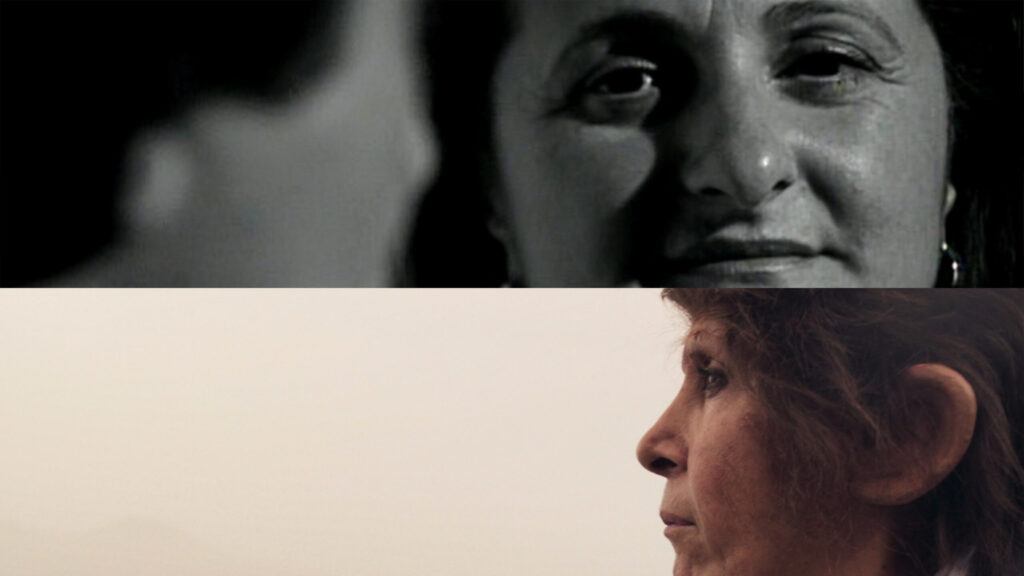
Mr. Rotpeter

Synopsis
In 1917, a short novel by Franz Kafka appeared on a magazine. It is called A Report to an Academy, the story of Mr Rotpeter, a monkey who transformed into a man. During his academical report, Mr Rotpeter talks about his metamorphosys. Mr Rotpeter’s imaginary portrait by Antonietta De Lillo runs two levels: the fragments of the kafkian lesson, as his past, and the interview, as his present. Antonietta De Lillo creates a cinematographic character that brings in universal topics such as freedom and survival, drawing a contemporary portrait of our society. Through her peculiar narration, Antonietta De Lillo imagines a “neapoletan” Mr Rotpeter: he walks through the streets of Naples, in Molosiglio’s gardens, he climbs the stairs of the prestigious University of Naples Federico II, he observes families playing on the grass on a sunday morning in Capodimonte’s wood. At the end he gives to an imaginary journalist a long interview. Though Mr Rotpeter is a fantastic character, between a beast and a man, the power of cinema is to create the illusion of reality. Mr Rotpeter could be an ordinary person one could meet on the street by chance. Mr Rotpeter’s reflections on our times put the spectators in front of a mirror and allow them to reflect themselves with him and his metamorphosys.

Director’s statement
Everyhting started when Marcello Garofalo invited me to watch a theatre performance of the kafkian A Report to an Academy, created and played by Marina Confalone, one of the greatest italian actresses. So I went to see her show in the famous Federico II University of Naples. I started to imagine a contemporary Rotpeter, set in a nowaday Naples, and I wanted to let him free from the written paper and make him alive through a long interview. With all the peculiarities of a fiction film I made my first portrait to an imaginary character born from a writer’s pen. What fascinated me about Mr Rotpeter was his desperate search for a way out. That was my starting point. Together with Marcello Garofalo I started to imagine an integrated Rotpeter, whose achievemet of a way out led him to a survival, not to freedom. Rotpeter is a creature between a beast and a man, he talks about our human condition through his personal experience. Rotpeter is forced to observe and imitate a world that imprison him, in order to adapt and survive. As well as him, we human beings are often forced to adapt to a society that is more and more subdued to economical powers, causing our loss of freedom and humanity. The “neapoletan” Mr Rotpeter fights his own personal cause for survival but, at the end of a long imaginary conversation, he has the need to fight for others too. I believe that we should listen to Mr Rotpeter’s desire, if we want to emancipate ourself from a condition that degenerates our nature. Antonietta De Lillo

DREAMING OF VENICE

Sinossi

Vittoria è un’esuberante ragazzina di tredici anni che vive nella periferia di Napoli e sogna di diventare influencer. Suo padre, l’istrionico Fabrizio, per il suo compleanno, le regala un biglietto per sfilare sul red carpet di Venezia.
Inizia una preparazione bizzarra: abiti composti da ritagli di giornale, manicure, ricerca di outfit combinati, occhiali, lenti a contatto colorate e tante, tantissime storie sui social!
Ma il giorno dell’agognato red carpet, l’auto di Fabrizio, in autostrada, prende una svolta inaspettata…

the cinema

O’cinema, as we used to say euphorically when we were kids. Each time it was an encounter with unbridled fantasy that gave us the possibility of travelling full speed through all the worlds of possibility.”
Enzo Moscato

A young Neapolitan takes a walk through his city.  He gazes at the people as well as the things about him with curiosity and transfigures them, at times drawing us into the personal, at times the cinematographic, world of imagination. The evocative power of sounds, visual impressions and old film clips come together in this journey into the heart of Naples.  The union of reality and fantasy is a pretext for reassembling the fragments of the history of a city and its wonderful cinema.