


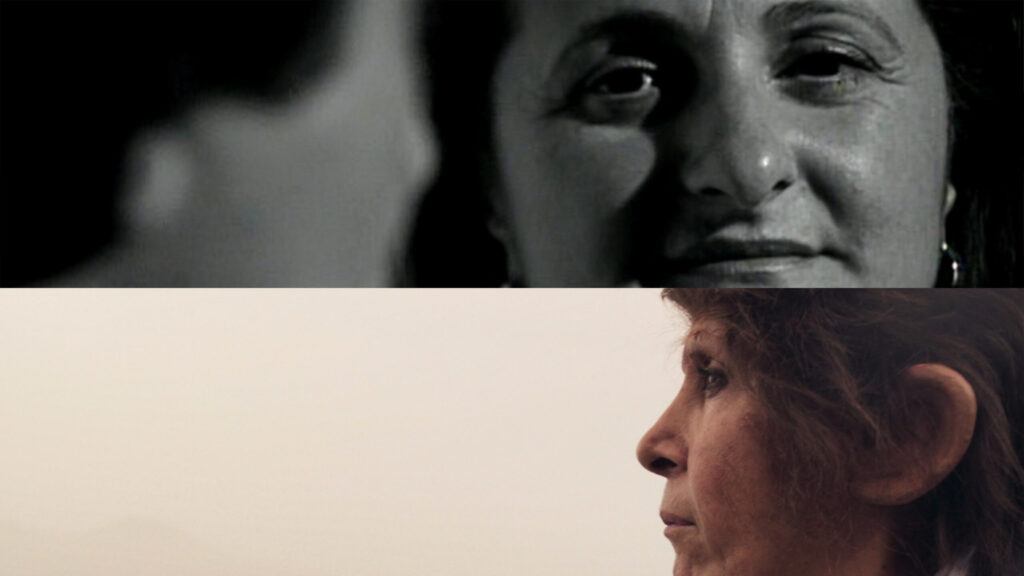
Edito da CecchiGori Enterteinment, esce in DVD Metamorfosi Napoletane. Metamorfosi Napoletane è l’unione del primo ritratto realizzato da Antonietta De Lillo nel 1993, Promessi Sposi, e del suo ritratto più recente, Il Signor Rotpeter, presentato alla 74° Mostra Internazionale d’Arte Cinematografica di Venezia. Due conversazioni profondamente diverse, una con personaggi realmente esistenti e una con un personaggio inventato, ma unite dalla necessità dei loro protagonisti di effettuare una trasformazione radicale su se stessi, una metamorfosi.
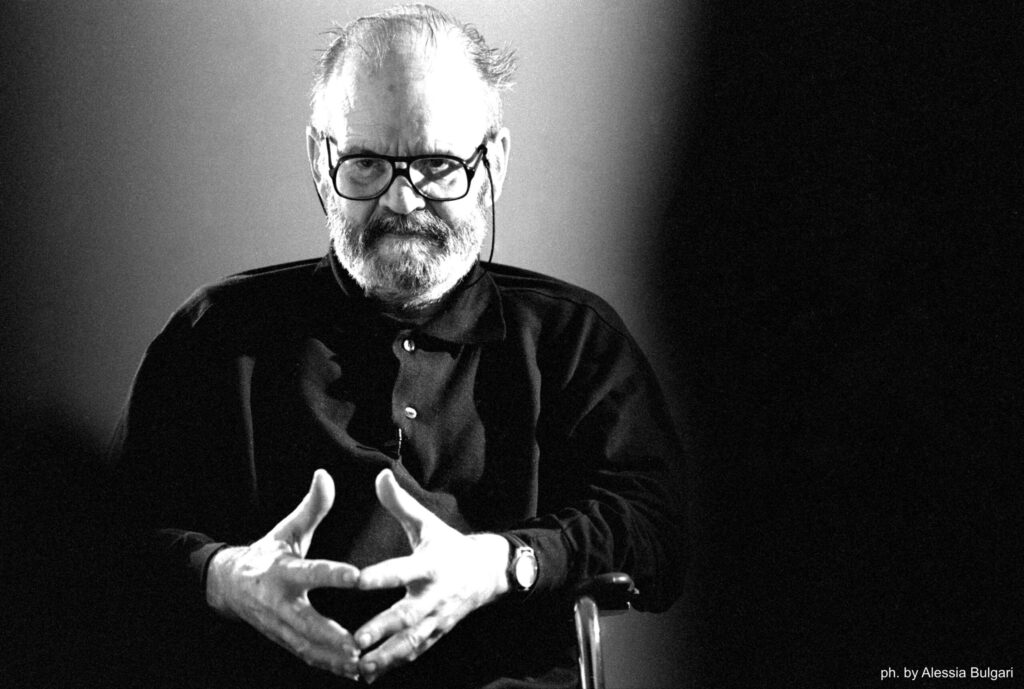
Chi sono gli zombi? Gli uomini di potere. Lucio Fulci
Sinossi
FULCI TALKS conversazione uncut con Lucio Fulci è una cavalcata attraverso tutto il cinema del maestro “terrorista del genere”, dalla commedia al thriller, dagli spaghetti western all’horror, e un viaggio nel cinema italiano e internazionale che ha conosciuto, amato e a volte anche criticato senza peli sulla lingua.
Antonietta De Lillo, a 30 anni di distanza dalla lunga intervista a Lucio Fulci curata insieme al critico Marcello Garofalo, riporta alla luce questo materiale raro e prezioso e realizza il ritratto inedito di un grande e raffinato artigiano del cinema nel momento in cui vede finalmente la critica riconoscere alle sue pellicole lo status di film cult, che diventeranno punti di riferimento per un’intera generazione di registi e spettatori.
–
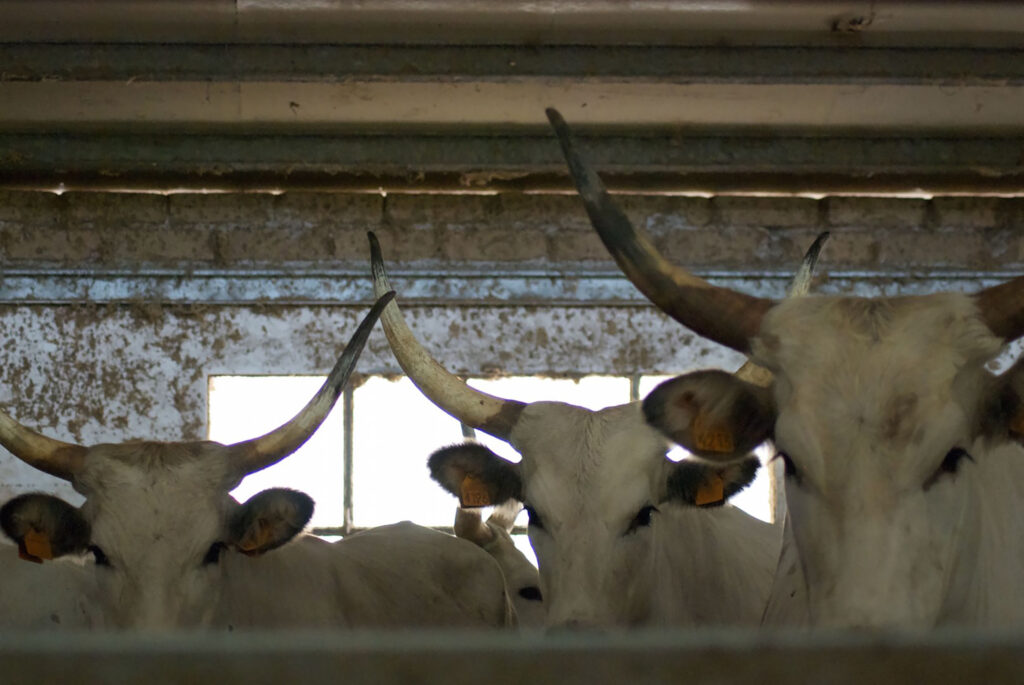
Da piccolo cercavo di corrompere vacche col mio ciuccio tolto dalla bocca.
Giancarlo Pretotto
—
Sinossi
Il film parla di contraddizioni profonde, dell’attrazione per ciò che è oscuro. L’uomo che incarna tutto questo è uno zoonomo, un tecnico che segue allevamenti intensivi affinché producano il massimo, un gigante che entra in simbiosi con gli animali che accudisce: la testa sempre reclinata un po’ di lato, gli occhi che ruotano verso l’alto per rincorrere le immagini che narra, concrete e impastate di rumori e odori come le stalle che frequenta. Gli animali e la grande distribuzione sono la sua vita, che racconta come se non esistesse altro: la manza, la mucca chianina, la maremmana, la ricerca genetica delle sue forme, l’ingrasso e la fine inesorabile. Quest’uomo ci fa entrare in un mondo che svela le sue e le nostre contraddizioni, la crudezza dell’allevamento, il rapporto profondo con le bestie.
Sinossi
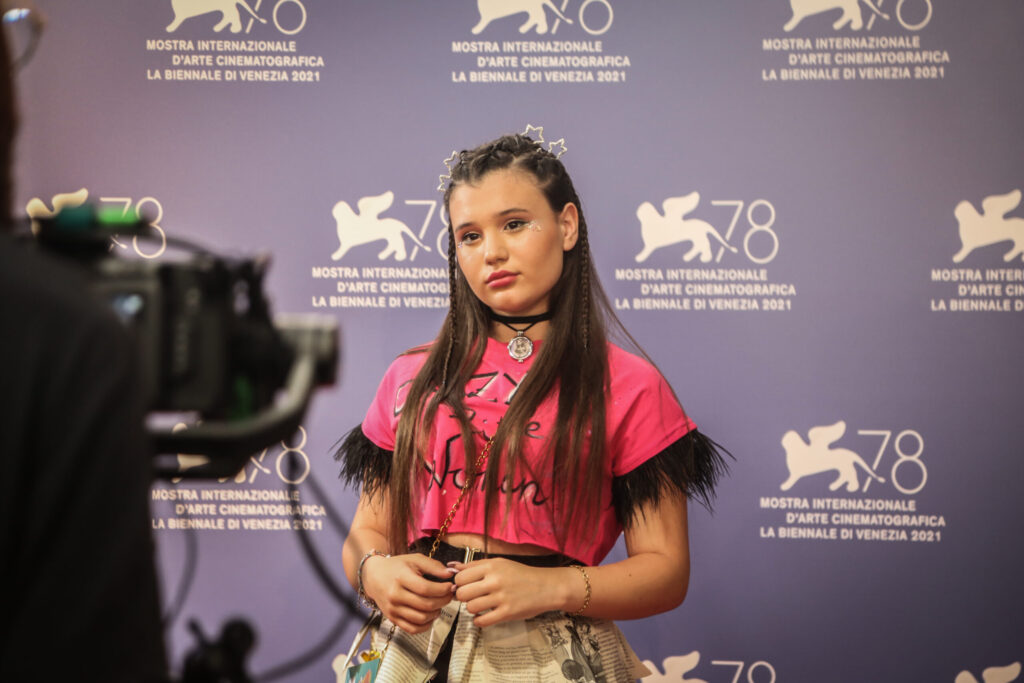
Vittoria è un’esuberante ragazzina di tredici anni che vive nella periferia di Napoli e sogna di diventare influencer. Suo padre, l’istrionico Fabrizio, per il suo compleanno, le regala un biglietto per sfilare sul red carpet di Venezia.
Inizia una preparazione bizzarra: abiti composti da ritagli di giornale, manicure, ricerca di outfit combinati, occhiali, lenti a contatto colorate e tante, tantissime storie sui social!
Ma il giorno dell’agognato red carpet, l’auto di Fabrizio, in autostrada, prende una svolta inaspettata…

La violenza sulla donna, che trova il suo apice nel femminicidio, non ha una matrice dominante. Non c’è un censo, una cultura, una prossimità, o un’esperienza di violenze che inneschi un rapporto causa/effetto ben identificabile. Il fenomeno è trasversale, colpisce nei luoghi più imprevisti e dilaga, emergendo dalle paludi della reticenza, solo in proporzione al grado di emancipazione raggiunto dalle donne. L’episodio è ispirato a un fatto di cronaca accaduto in provincia di Napoli nel luglio 2012.

O’ Cinema, come dicevamo, euforici, noi ragazzi. Era, di volta in volta, l’incontro con la fantasia, con la possibilità di viaggiare a briglia sciolta attraverso tutti i mondi del possibile. Enzo Moscato
La passeggiata di un ragazzino napoletano attraverso le vie della sua città. Il suo sguardo curioso si posa sia sulle persone sia sulle cose e le trasfigura, portandoci nel mondo dell’immaginazione, ora personale, ora cinematografica. Suggestioni sonore, visive e spezzoni di vecchi film si fondono in questo viaggio nel cuore di Napoli. L’unione tra realtà e fantasia è il pretesto per ricomporre i frammenti della storia di una città e del suo meraviglioso cinema.

Un viaggio in un immaginario futuro che stiamo contaminando
Note di Regia
Quando, tempo fa, ho letto un articolo del geologo Giovanni Balestri che profetizzava, fatti alla mano, la fine della vita nella mia terra nel 2064, ho sentito l’esigenza di raccontare questo fenomeno mediante la settima arte. Certamente un lavoro cinematografico non può avere la pretesa di proporsi come panacea della drammaticità sociale che il fenomeno sta generando ma, come sempre, il cinema può dare un prezioso contributo alla campagna di sensibilizzazione che si sta mettendo in atto. Maria Di Razza

Non dubitare mai che un piccolo gruppo di cittadini coscienziosi ed impegnati possa cambiare il mondo. In verità è l’unica cosa che è sempre accaduta. Margaret Mead
UN CITTADINO non è un romanzo, non è un documentario, è una piccola pagina di quello che ciascuno di noi, se crede alle proprie convinzioni, può fare. Così come l’avvocato Aldo Bozzi, da solo con i suoi 26 amici avvocati, è riuscito a far dichiarare incostituzionale una legge elettorale che sentiva ledere alcuni dei nostri diritti fondamentali.
Speriamo che questo lavoro sia il primo di una serie di mini ritratti d’autore, in bilico tra cinema e giornalismo, per dar voce ai sentimenti che hanno mosso azioni in campo sociale, politico, culturale, che meritano di essere raccontate.
Speriamo che questo lavoro sia il primo di una serie di mini ritratti d’autore, in bilico tra cinema e giornalismo, per dar voce ai sentimenti che hanno mosso azioni in campo sociale, politico, culturale, che meritano di essere raccontate.

Io sono una donna molto facile, molto normale, hanno fatto una costruzione enorme ma in fondo sono una persona di tutti i giorni, sono proprio la pazza della porta accanto. Alda Merini
A distanza di quasi vent’anni da Ogni sedia ha il suo rumore, Antonietta De Lillo recupera il prezioso materiale “rimasto nel cassetto” della conversazione avuta con Alda Merini nella sua casa milanese nel giugno del 1995. Nasce così La pazza della porta accanto, videoritratto che restituisce integralmente quello stradorinario incontro. Alda Merini racconta la propria vita in una narrazione intima e familiare, oscillando continuamente tra pubblico e privato e soffermandosi sui capitoli più significativi della sua esistenza – l’infanzia, la sua femminilità, gli amori, l’esperienza della maternità e il rapporto con i figli, la follia e la sua lucida riflessione sulla poesia e sull’arte. Il volto della poetessa, i dettagli degli occhi, delle mani, del suo corpo, compongono un ritratto dell’artista senza nascondere le contraddizioni che hanno caratterizzato la vita e le opere di una tra le più importanti e note figure letterarie del secolo scorso. Uno sguardo inedito che con semplicità tenta di restituire la grandezza artistica e umana di Alda Merini.

Non è un problema di cuore e forse nemmeno di portafoglio… è che amiamo delle maschere non delle persone. Luca Musella
La storia di Luca Musella, fotografo, operatore, scrittore, oggi esodato professionalmente ed emotivamente. Il protagonista ripercorre la propria vita in un testo-lettera da lui scritto e in un viaggio reale e ideale attraverso l’Italia, da Napoli, sua città natale, a Milano, il luogo della sua nuova esistenza. Le immagini e le parole si confrontano continuamente con il testo della lettera, in un linguaggio in bilico tra l’immediatezza del racconto e la riflessione della parola scritta. Luca Musella, insieme alle persone che popolano il suo mondo, diventa portavoce di una condizione universale, specchio del nostro Paese nell’ era della crisi ma soprattutto emblema di una sensibilità letteraria in grado di leggere al di là del reale per suggerire possibili antidoti.
- 1
- 2